

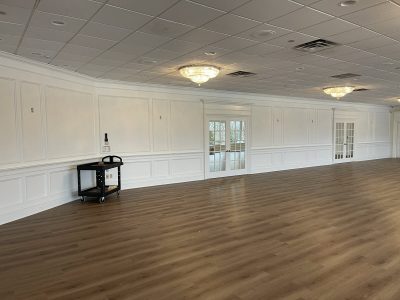
Open floor plans can make a home feel larger, brighter, and more connected, but they can also create an unexpected design problem: everything can start to look like one enormous room. The kitchen flows into the dining area, the dining area opens into the living room, and suddenly furniture seems to float without a clear sense of where one space begins and another ends. This is where an area rug can do much more than simply add softness underfoot. The right rug can give an open floor plan structure, define individual spaces, introduce warmth, and make the entire room feel intentionally designed.
For homeowners in Copley, Strongsville, Mayfield Heights, Akron, Cleveland, Medina, and Wadsworth, area rugs can also be a practical way to change the character of a room without replacing the flooring underneath. Whether your home has hardwood, carpet, tile, or another surface, the right rug can create an additional layer of comfort and personality while protecting the floor in areas that receive everyday traffic.
Start With the Furniture, Not the Rug
One of the easiest mistakes when shopping for an area rug is choosing the rug first because you fall in love with a particular color or pattern. The problem is that the rug ultimately has to work with the furniture that surrounds it. Before deciding on a size or design, look at the room as a whole. Consider the sofa, chairs, coffee table, dining table, curtains, artwork, and flooring already in place.
The rug should help connect those elements rather than becoming a completely separate visual statement. If your furniture is neutral, the rug can introduce more pattern or color. If the furniture already has strong patterns, a quieter rug may create better balance. The objective is not necessarily to match everything. It is to create relationships between the different elements in the room.
The Most Common Area Rug Mistake Is Choosing One That Is Too Small
A rug that is too small can make an otherwise carefully designed room feel disconnected. In a living room, for example, a tiny rug sitting only beneath the coffee table can visually separate the table from the sofa and chairs around it. A larger rug that allows at least the front legs of major seating pieces to sit on the rug can create a much stronger sense of cohesion.
The same principle applies to dining spaces. Ideally, the rug should extend far enough beyond the dining table to accommodate chairs even when they are pulled away from the table. If the chair legs constantly catch the edge of the rug, the result will feel awkward and the rug may experience unnecessary wear.
Use Rugs to Create Rooms Without Building Walls
An open floor plan does not need physical walls to have distinct zones. A rug can visually establish where the living room ends and the dining area begins. Another rug can define a reading corner, home office, or conversation area. This approach allows the home to remain open while giving every part of the space a clear purpose.
This can be particularly useful in newer homes where several functions share one large room. Instead of placing furniture randomly throughout the space, begin by identifying the activities that need their own zones. Then use rugs, lighting, furniture orientation, and accessories to reinforce those zones.
Let the Existing Floor Become Part of the Design
An area rug should complement the flooring underneath it rather than completely hiding it. This is especially important when you have invested in beautiful hardwood flooring. Leaving a visible border around the rug allows the natural floor to frame the textile and creates a layered appearance.
On tile, a rug can soften the visual character of a hard surface and introduce warmth. On carpet, an area rug can still be used to create a defined conversation area or introduce pattern, although the rug and carpet combination should be selected carefully so the layers do not appear visually heavy.
Think About the Ohio Seasons
Flooring and area rugs have a particularly interesting relationship in Ohio because homes experience very different seasonal conditions. Winter brings snow, ice, road salt, moisture, and heavier footwear, while summer brings more open windows, outdoor entertaining, and increased movement between indoor and outdoor spaces.
That makes entryways and high-traffic areas particularly important. A well-positioned rug can help establish a practical transition zone near entrances while also adding character. For busy households, consider how easily the rug can be cleaned and whether its color and pattern will disguise everyday wear between cleanings.
Pattern Can Be More Practical Than a Plain Rug
Many homeowners assume a solid-colored rug will always be easier to live with. In reality, subtle patterns and tonal variation can sometimes make everyday marks less noticeable. This can be useful in living rooms, hallways, and family spaces where people are constantly moving through the room.
A pattern does not have to mean something loud or dramatic. Small geometric details, restrained traditional motifs, tonal textures, or organic patterns can add visual interest without dominating the interior. The best choice depends on how much personality the rest of the room already contains.
Consider the Shape of the Room
Rectangular rugs are the most common choice, but they are not the only option. A round rug can soften a room dominated by straight architectural lines and can work particularly well beneath a circular dining table or in a smaller seating area. Runners can define hallways, narrow spaces, and transitional areas.
The shape should respond to the architecture and furniture arrangement. Instead of asking which rug shape is currently popular, ask which shape makes the room's layout feel more intentional.
Area Rugs Are a Way to Change Your Home Without Replacing the Floor
One of the biggest advantages of an area rug is flexibility. Flooring is a long-term decision, but your decorating style does not have to remain static. A rug allows you to introduce a new color palette, seasonal look, or design direction without undertaking a full renovation.
This makes rugs particularly useful for homeowners who have recently invested in hardwood, tile, or another permanent flooring surface but want to refresh the appearance of their interiors. Changing the rug can change the room while preserving the foundation underneath.
Build the Room From the Floor Up
The most successful interiors often have several layers working together. Flooring establishes the foundation. Furniture creates function. Lighting establishes atmosphere. Textiles add comfort and personality. Area rugs sit at the intersection of all four, which is why they can have such a noticeable impact on a room.
If you are furnishing a new home or refreshing an existing one, take the time to consider the size, placement, texture, color, and pattern of the rug rather than treating it as an afterthought. A carefully chosen rug can make an open space feel more complete without making it feel closed.
Floorz helps homeowners explore flooring and design options for homes throughout Copley, Strongsville, and Mayfield Heights, as well as Akron, Cleveland, Medina, and Wadsworth. To discuss your flooring project and explore options for your home, visit the Floorz contact page.
```


